




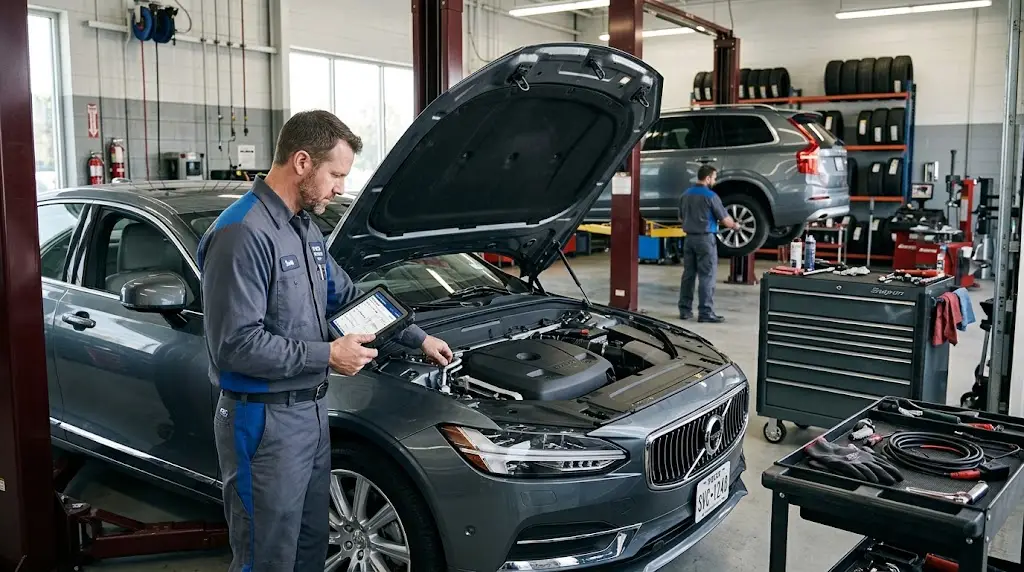
Because modern vehicles combine mechanical systems with increasingly complex electronics, finding the right repair professional matters. The National Institute for Automotive Service Excellence (ASE) notes that modern vehicles are becoming more complicated as technology and diagnostic systems continue to evolve.
This guide explains what drivers should look for when evaluating Lowry Auto Service, which maintenance areas deserve attention, how preventive service can reduce avoidable problems, and how to compare an automotive repair provider before authorizing work.
Quick takeaway: Good auto service combines preventive maintenance, accurate diagnostics, qualified technicians, quality parts and fluids, clear estimates, and effective communication. A strong repair decision should be based on your vehicle’s condition and manufacturer’s maintenance requirements rather than unnecessary recommendations.
What Is Lowry Auto Service?
Lowry Auto Service is presented as an automotive service topic centered on vehicle care and maintenance. For drivers researching a repair provider, the most useful question is not simply whether a shop can perform a repair. It is whether the service process gives the vehicle owner enough information to make a confident decision.
A professional automotive service experience generally involves identifying the customer’s concern, inspecting the vehicle, diagnosing the underlying issue, explaining recommended work, providing an estimate where appropriate, completing authorized repairs, and communicating what was actually performed.
That process becomes particularly important when a problem involves safety-related components or an issue that could become more expensive if ignored.
Why Professional Auto Service Matters
Routine vehicle care is one of the simplest ways to stay ahead of preventable problems. NHTSA advises drivers to keep up with regular maintenance such as oil changes, battery checks, tune-ups, and tire rotations, while following the vehicle manufacturer’s recommendations.
Professional service can also help identify problems before they become major failures. A small fluid leak, unusual brake noise, uneven tire wear, weak battery, warning light, or drivability change may be easier and less disruptive to address when investigated early.
For drivers comparing automotive providers, the goal should therefore be dependable diagnosis and appropriate maintenance rather than simply finding the lowest advertised repair price.
Services Drivers Should Expect From a Quality Auto Service Provider
The exact services offered by an individual business should always be confirmed directly with that provider. However, a comprehensive automotive service operation may cover several important areas.
1. Preventive Maintenance
Preventive maintenance focuses on keeping major vehicle systems operating properly before a failure occurs. Depending on the vehicle, this can include oil and filter service, fluid checks, battery inspection, belts, hoses, filters, scheduled maintenance, and other manufacturer-recommended procedures.
A maintenance schedule should be based on the vehicle’s owner’s manual and operating conditions. Drivers who frequently tow, make short trips, drive in extreme temperatures, or operate in dusty conditions may have different maintenance considerations from someone with mostly highway mileage.
2. Brake Inspection and Service
Brakes are among the most important safety systems on any vehicle. Warning signs can include grinding, squealing, vibration, pulling, a soft pedal, or a noticeable change in stopping performance.
A qualified technician should investigate the cause rather than simply replacing parts without diagnosis. Brake service may involve inspection of pads, rotors, calipers, hydraulic components, and other related systems depending on the vehicle and symptoms.
3. Tire Inspection and Maintenance
Tires directly affect traction, braking, handling, and fuel efficiency. NHTSA recommends checking tire pressure regularly and paying attention to tread wear, damage, rotation, balancing, and alignment requirements.
The correct inflation pressure comes from the vehicle manufacturer’s information, such as the owner’s manual or the tire-and-loading information label, rather than simply using the maximum pressure printed on the tire.
For additional context, drivers interested in tire-focused vehicle care can also read about tire and auto service.
4. Diagnostic Services
Today’s vehicles can store diagnostic information when sensors, emissions systems, electronic modules, or other components detect a fault. A warning light should not automatically be interpreted as proof that one particular component needs replacement.
Proper diagnosis helps identify the underlying cause. That can reduce unnecessary parts replacement and give the vehicle owner a clearer understanding of what needs attention.
5. Battery and Starting-System Checks
A weak battery can cause slow starting, intermittent electrical problems, warning messages, or a complete no-start condition. Battery condition should be considered alongside the charging and starting systems when symptoms appear.
Regular checks can be particularly useful before extreme weather or long trips because a vehicle that starts normally one day can develop a starting problem with little warning.
6. Fluid and Filter Maintenance
Engine oil, coolant, brake fluid, transmission fluid, and other fluids perform different jobs. Service intervals vary by vehicle, so drivers should follow the manufacturer’s recommendations rather than applying one universal schedule to every car.
Filters also matter because clean air and appropriate filtration support vehicle performance. The correct replacement schedule depends on the vehicle, environment, and manufacturer’s specifications.
How to Know When Your Vehicle Needs Service
Not every vehicle problem begins with a dramatic breakdown. Some warning signs develop gradually.
- Dashboard warning lights appear.
- The engine behaves differently from normal.
- Braking feels unusual.
- The vehicle pulls to one side.
- The steering wheel vibrates.
- Tires show uneven or accelerated wear.
- There are unusual sounds or smells.
- Fuel economy changes unexpectedly.
- The vehicle struggles to start.
- Fluids appear underneath the vehicle.
These symptoms do not identify a specific fault by themselves. They are signals that deserve attention and, when appropriate, professional diagnosis.
Preventive Maintenance vs. Emergency Repairs
Preventive maintenance is planned. Emergency repair is usually reactive. The two serve different purposes, but good maintenance can reduce the likelihood of some avoidable failures.
For example, replacing a worn component according to an appropriate maintenance schedule is generally easier to manage than waiting until the component fails during a trip. Similarly, keeping tires properly inflated and monitoring tread condition can help reduce tire-related risks. NHTSA specifically emphasizes regular tire pressure, tread, damage, rotation, balancing, and alignment checks.
Drivers should also avoid treating every preventive recommendation as mandatory. The best approach is to ask why a service is recommended, what evidence supports it, and whether it matches the vehicle manufacturer’s maintenance requirements.
What Makes an Auto Service Provider Trustworthy?
Trust in automotive service comes from the entire customer experience. ASE’s consumer research found that value, knowledgeable and friendly staff, and convenience were among the factors drivers considered when selecting a service or repair facility.
Qualified Technicians
Credentials can provide useful evidence of technical knowledge. ASE explains that its certification process tests automotive service professionals and requires relevant experience and examinations. ASE-certified technicians must also recertify periodically to keep their credentials current.
Certification does not guarantee that every repair will be perfect, but it gives consumers a concrete credential to consider when comparing providers.
Clear Communication
A professional service provider should be able to explain the customer’s concern, what was inspected, what was found, and what work is recommended. Clear communication is especially important when several repair options exist.
Drivers should feel comfortable asking questions before approving significant work.
Transparent Estimates
Before authorizing substantial repairs, ask for an understandable estimate. It should make clear what work is being proposed and what costs are associated with the service.
If additional problems are discovered during an inspection, the customer should understand what was found and why the additional work is being recommended.
Good Documentation
Keeping service records can help owners track maintenance history and understand what has already been replaced or inspected. It can also make future diagnostic work easier because the technician has more information about the vehicle’s history.
How Lowry Auto Service Can Fit Into a Vehicle Care Strategy
When evaluating a provider such as Lowry Auto Service, drivers should think beyond one repair appointment. The strongest long-term approach is to maintain a record of inspections, repairs, scheduled services, tire work, fluid changes, and other important maintenance.
This creates a clearer picture of the vehicle’s condition over time. It can also help drivers distinguish between routine maintenance and genuinely urgent repairs.
For readers comparing different automotive service topics on RenewWire, Tamm Auto Service and Andy’s Auto Service provide additional vehicle-care resources within the site’s automotive content cluster.
Questions to Ask Before Authorizing Auto Repairs
You do not need to be an automotive expert to ask useful questions. A short conversation can make a repair recommendation much easier to understand.
- What caused the problem?
- What inspection or diagnostic test identified it?
- Is the repair urgent or can it safely wait?
- What happens if the repair is postponed?
- Which parts or components will be replaced?
- Are there different repair options?
- What maintenance does the manufacturer recommend?
- What warranty applies to the work or parts?
- Will additional work require separate authorization?
These questions help turn a vague recommendation into a specific maintenance decision.
Why Tire Care Deserves Special Attention
Tire condition deserves regular attention because tires are the vehicle’s contact point with the road. NHTSA reports that poor tire maintenance can contribute to tire failure and recommends regular checks of inflation pressure, tread, and damage.
Alignment and balancing can also become important when a vehicle develops uneven wear, vibration, or handling changes. However, these services should be recommended based on the vehicle’s condition and manufacturer guidance rather than performed automatically without inspection.
Drivers looking for a related topic can explore expert tire and vehicle care for additional information.
Auto Service for Older Vehicles
Older vehicles often require a different maintenance mindset from newer cars. Wear-related components become increasingly important, and service history becomes more valuable when deciding what deserves attention next.
That does not mean every older vehicle needs expensive repairs. Instead, owners should evaluate the vehicle’s overall condition, expected use, repair history, reliability, and remaining value.
A thoughtful inspection can help prioritize repairs rather than treating every possible maintenance item as equally urgent.
Auto Service for Modern and Technology-Heavy Vehicles
Modern cars increasingly depend on electronic systems, sensors, driver-assistance features, computerized diagnostics, and specialized equipment. ASE notes that vehicle technology and diagnostic tools continue to evolve, increasing the importance of current technical knowledge.
When selecting a repair provider for a technology-heavy vehicle, owners should ask whether the shop has the appropriate diagnostic equipment and experience for the vehicle’s systems.
This is particularly relevant for hybrid and electric vehicles, where high-voltage systems introduce different service requirements from conventional gasoline vehicles.
Vehicle Financing and Ownership Costs
Vehicle maintenance is only one part of the overall cost of ownership. Financing, insurance, fuel, depreciation, tires, repairs, and unexpected expenses can all affect the real cost of keeping a vehicle.
RenewWire also covers vehicle-related financial topics, including vehicle financing options and Toyota GAP insurance refunds. These subjects are separate from mechanical maintenance but can help drivers understand the wider financial side of vehicle ownership.
Insurance is another part of the ownership equation. Readers can explore auto-related insurance considerations and broader insurance protection topics as part of a complete ownership strategy.
How to Compare Auto Service Providers
When comparing Lowry Auto Service with another repair provider, avoid looking at price alone. A lower initial estimate may not represent the same scope of work, parts quality, diagnostic process, warranty, or customer support.
Instead, compare providers using several criteria:
- Technical qualifications: Check relevant certifications and experience.
- Diagnostic approach: Ask how the problem will be identified.
- Communication: Look for clear explanations and estimates.
- Service records: Confirm that completed work can be documented.
- Warranty information: Understand what protection applies after repair.
- Vehicle expertise: Consider experience with your specific make, model, and technology.
- Convenience: Location, scheduling, and communication can affect the overall experience.
- Reputation: Look for consistent customer feedback rather than relying on one review.
ASE’s consumer resources specifically encourage drivers to consider technician credentials and recognized automotive service qualifications when choosing a repair provider.
Common Auto Service Mistakes to Avoid
Ignoring Warning Lights
A warning light should not automatically be ignored because the vehicle still seems to drive normally. Some faults can worsen while the vehicle remains operational.
Skipping Routine Maintenance
Waiting until something breaks can lead to more disruption than following an appropriate maintenance schedule.
Choosing Solely on Price
The cheapest quote may not provide the same diagnosis, parts, labor, warranty, or service scope as another estimate.
Approving Repairs Without Understanding Them
Ask what failed, why the repair is necessary, and what could happen if it is delayed.
Using the Wrong Tire Pressure
NHTSA emphasizes using the manufacturer’s recommended inflation pressure rather than simply following the number molded into the tire.
Related Automotive Topics on RenewWire
Lowry Auto Service belongs naturally within a broader vehicle-care content cluster on RenewWire. Readers researching automotive maintenance can continue with:
- Tamm Auto Service and car care
- Andy’s Auto Service and vehicle care
- Lemoore Tire and auto service
- Allstar Auto Services and vehicle care
- CRF450R street-legal considerations
- Roxor street-legal considerations
- TrailManor 2720 Sport trailer information
- vehicle financing information
- Toyota GAP insurance information
- insurance protection for vehicle owners
- broader insurance protection
Frequently Asked Questions About Lowry Auto Service
What should I look for in an auto service provider?
Look for qualified technicians, accurate diagnostics, clear estimates, transparent communication, appropriate equipment, documented repairs, and a willingness to explain recommendations.
How often should a vehicle be serviced?
Service intervals depend on the vehicle, mileage, age, operating conditions, and manufacturer recommendations. The owner’s manual is the best starting point for scheduled maintenance.
Why is preventive maintenance important?
Preventive maintenance helps identify wear and developing problems before they become more disruptive or expensive. NHTSA recommends following manufacturer maintenance guidance and keeping up with important routine services.
Are ASE certifications important when choosing a mechanic?
ASE certification can be a useful credential when comparing automotive professionals because it demonstrates that the technician has met the organization’s testing and experience requirements. ASE recommends that consumers ask service professionals about their credentials.
When should I have my tires inspected?
Tires should be checked regularly for pressure, tread wear, damage, and other changes. NHTSA recommends monthly pressure checks and emphasizes regular attention to tire condition.
Should I choose an auto repair shop based only on price?
No. Compare the scope of work, diagnostic process, technician qualifications, parts, warranty, communication, reputation, and total value rather than comparing the headline price alone.
Final Thoughts
Lowry Auto Service represents the broader idea that dependable vehicle care requires more than fixing a problem after it occurs. Drivers benefit from regular maintenance, timely inspections, accurate diagnostics, qualified professionals, and clear communication about the work their vehicle actually needs.
Whether you are dealing with a warning light, brake concern, tire issue, battery problem, scheduled maintenance, or a more complicated diagnostic fault, the best starting point is a structured evaluation of the vehicle and a clear explanation of the recommended work.
By keeping maintenance records, following manufacturer guidance, monitoring tire and brake condition, and choosing service professionals carefully, drivers can make better decisions about reliability, safety, and long-term ownership costs.