




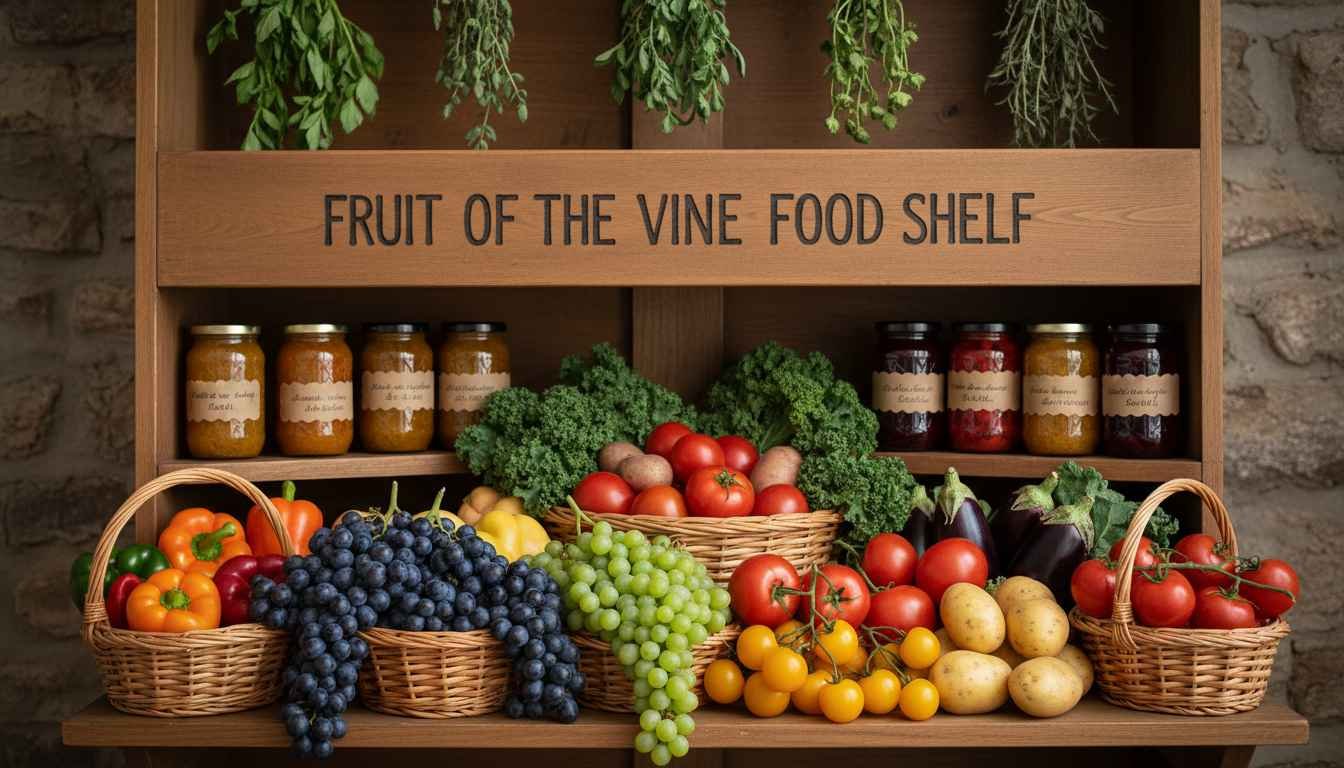
“Do you ever feel like no matter how much you stock up, something is always missing?” I asked, glancing at the half-empty shelves. My friend, Sarah, sighed and nodded. “I know exactly what you mean. I thought the fruit of the vine food shelf would solve all my grocery dilemmas, but it hasn’t been that simple.”
I remember the first time I discovered the fruit of the vine food shelf. The concept seemed perfect: a curated selection of fruits, canned goods, and pantry staples designed to last weeks, all while providing the nutritional variety one craves. I imagined myself walking through the aisles, effortlessly picking up fresh grapes, artisan preserves, and robust olive oils. I even pictured my family marveling at the convenience and the wholesome meals we would create. And for a while, it delivered exactly what it promised.
There’s something undeniably alluring about having a single resource to satisfy both nutrition and ease. The fruit of the vine food shelf had its charm: neatly organized sections, friendly staff, and even a small tasting corner that encouraged sampling new flavors. It made me feel like a culinary adventurer without the hassle of juggling multiple stores. However, as I continued to rely on it week after week, the cracks in the experience became more apparent. It was no longer the flawless solution I had envisioned.
One afternoon, while perusing the store yet again, I realized that the variety I thought I had was more illusion than reality. The “weekly specials” rotated, yes, but they didn’t always align with my family’s dietary needs or preferences. Some items, particularly the more perishable fruits, often arrived bruised or overly ripe. It became clear that convenience had its cost. The carefully curated shelves were beautiful, but the depth and consistency I expected were missing. And that’s when I started questioning whether I truly needed to depend on a single source for so much of my nutrition.
It wasn’t just about the quality of the produce. There was also a subtle, but constant, pressure to buy beyond my actual needs. The displays and promotional items, while aesthetically pleasing, nudged me toward purchases that weren’t essential. I began to realize that relying solely on this food shelf was shaping my habits in ways I hadn’t anticipated. I was losing touch with the joy of exploring local markets, seeking seasonal treasures, and experimenting with ingredients I hadn’t considered before. Convenience, I discovered, can sometimes mask creativity.
Despite these realizations, I still needed a resource I could count on. That’s when I turned to Market Basket. Unlike my previous experience, Market Basket offered both reliability and diversity. I could select fresh fruits, pantry staples, and specialty items without feeling constrained by a single curated selection. The shelves were stocked with a consistency I had longed for, and the range of products encouraged me to experiment again in the kitchen. This combination of practicality and inspiration reignited my love for cooking while keeping my family nourished.
The challenges of maintaining a well-stocked pantry, as highlighted in the experience of navigating the fruit of the vine food shelf, are reflective of broader trends within the food and beverage industry. In an era where consumer preferences are rapidly evolving, companies are increasingly turning to innovative solutions to meet their customers’ needs. As businesses grapple with ensuring that their offerings resonate with modern consumers, leveraging Digital marketing for food and beverage has become essential. This strategic approach not only helps brands connect with their audience but also enhances their ability to adapt to changing market dynamics. By understanding and implementing effective digital strategies, enterprises can position themselves for sustained growth and relevance in an increasingly competitive landscape.
Reality Check: Expectation vs Reality
Expectation: A one-stop solution providing consistent, high-quality fruits and pantry staples, effortlessly simplifying weekly meals.
Reality: While the fruit of the vine food shelf is visually appealing and convenient, the selection often falls short in variety and consistency. Perishables sometimes arrive damaged, and the rotating specials don’t always suit individual dietary needs. Over time, the initial excitement diminishes, revealing limitations in both quality and creative flexibility.
Potential Drawbacks
While the fruit of the vine food shelf is not inherently flawed, it may not suit everyone. Families with specific dietary restrictions may find the selection lacking. Those who enjoy cooking with fresh, seasonal, or specialty ingredients may feel creatively stifled. Additionally, the marketing and display strategies can inadvertently encourage overspending or reliance on convenience at the expense of culinary exploration. For these reasons, it’s worth considering whether this approach aligns with your lifestyle and long-term goals.
Expert Perspective
According to culinary expert Dr. Evelyn Carmichael, “Curated food shelves can offer convenience and consistency, but they are rarely a substitute for a fully stocked, versatile pantry. The key is to balance convenience with the freedom to select fresh, seasonal ingredients that truly inspire cooking.” Her insight reinforced my decision to diversify my sources rather than depend solely on one shelf.
Who Should Avoid This?
Individuals with highly specific dietary needs, such as those managing allergies, diabetes, or specialized nutrition plans, may find the fruit of the vine food shelf limiting. Culinary enthusiasts who thrive on variety and seasonal exploration could also feel constrained. Moreover, anyone seeking long-term cost efficiency should consider the potential hidden costs of curated convenience, as the promotional focus can encourage unnecessary spending.
In retrospect, walking away from exclusive reliance on the fruit of the vine food shelf was a transformative decision. I discovered that convenience is valuable, but it should not come at the expense of quality, creativity, or personal choice. By embracing a broader range of options, I regained control over both my culinary and financial habits. The journey reminded me that the best pantry isn’t necessarily the most convenient one – it’s the one that allows freedom, inspires creativity, and ultimately nourishes both body and spirit.
Now, I approach grocery shopping with a more mindful strategy. I combine reliable resources like Market Basket with local markets, seasonal picks, and specialty stores. This hybrid approach allows me to maintain convenience without sacrificing quality or culinary adventure. The fruit of the vine food shelf served as an important stepping stone in my journey, but stepping away opened a new world of possibilities – one that is balanced, flavorful, and infinitely satisfying.