




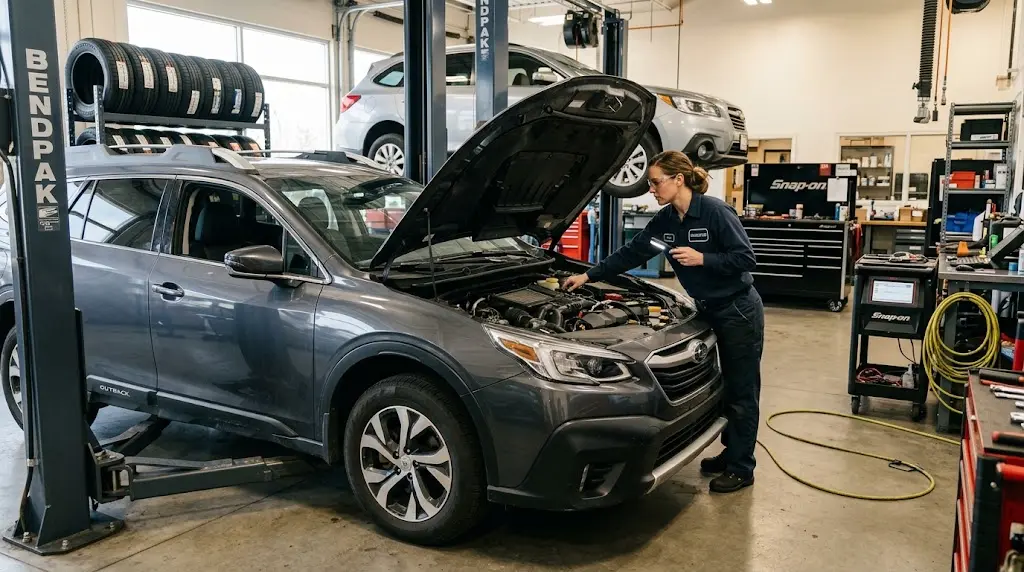
Keeping a vehicle reliable requires more than occasional repairs. Regular maintenance, accurate diagnostics, quality parts, and dependable workmanship all play a role in keeping a car safe and road-ready. For drivers researching Allstar Auto Services Cars, the bigger question is what makes a professional auto service experience genuinely valuable and how to choose the right care for a vehicle.
What Makes Professional Auto Service Important?
Modern vehicles depend on numerous interconnected systems. Engine components, braking systems, tires, suspension, electrical equipment, cooling systems, and onboard electronics all need to work together properly. A seemingly minor issue can sometimes affect another part of the vehicle if it is ignored for too long.
Professional servicing helps identify developing problems and gives drivers an opportunity to address them before they turn into major failures. Preventive maintenance should also be based on the vehicle manufacturer’s recommendations rather than an arbitrary service schedule.
Services Drivers Commonly Need
A comprehensive automotive service approach generally covers both routine maintenance and diagnostic work. The exact services available vary by repair facility, vehicle make, model, age, and condition.
Routine Maintenance
Routine maintenance can include oil and filter changes, fluid inspections, battery checks, belt and hose inspections, tire checks, and other services specified in the owner’s manual. Keeping up with these tasks can help maintain reliability and reduce the risk of unexpected breakdowns.
Brake Inspection and Repair
Brake performance should never be treated as a minor concern. Grinding, unusual noises, vibration, pulling to one side, or changes in pedal feel can indicate that a professional inspection is necessary.
Tire and Wheel Service
Tires influence braking, handling, comfort, and road safety. Proper inflation, tread condition, wheel balance, and alignment should be checked when appropriate. Uneven tire wear can also provide clues about alignment or suspension problems.
Engine Diagnostics
A warning light does not always mean that a major component has failed. Professional diagnostic testing can help identify the underlying issue instead of relying on guesswork. A proper diagnosis can also prevent unnecessary parts replacement.
Battery and Electrical Service
Today’s cars use increasingly complex electrical systems. Starting problems, dim lights, warning messages, charging issues, and intermittent electrical faults can require systematic testing of the battery, charging system, wiring, and related components.
Cooling System Service
The cooling system helps regulate engine temperature. Low coolant, leaks, damaged hoses, or cooling-system faults can contribute to overheating. Unusual temperature readings, steam, or coolant odors should be investigated promptly.
Why Accurate Diagnostics Matter
One of the most important aspects of professional vehicle care is determining what actually needs repair. Replacing a component without confirming the underlying problem can increase costs without solving the original issue.
A quality diagnostic process should combine the vehicle’s symptoms, inspection findings, diagnostic equipment, service history, and technician experience. Drivers should be able to understand what was discovered and why a particular repair has been recommended.
Choosing an Auto Service Provider
When comparing an automotive repair facility, customers should look beyond price alone. A low initial quote is not necessarily the best value if the repair is incomplete, poorly documented, or followed by additional unexpected charges.
- Ask what specifically needs to be repaired.
- Request a written estimate for significant work.
- Ask whether parts are new, remanufactured, rebuilt, or used.
- Understand the warranty offered on parts and labor.
- Ask whether technicians have relevant training or certifications.
- Keep copies of invoices and completed repair orders.
- Compare recommendations with the vehicle manufacturer’s maintenance schedule.
The Federal Trade Commission recommends comparing repair shops, understanding warranty policies, asking for written estimates, and keeping documentation of completed work.
Understanding ASE Certification
Automotive Service Excellence, commonly known as ASE, provides certification for automotive service professionals. ASE certification is designed to help customers and employers evaluate a technician’s technical knowledge and experience.
ASE explains that certified professionals work across dealerships, independent repair shops, collision facilities, fleets, and other areas of the transportation industry. Certification is held by individual technicians rather than automatically applying to every service performed by a business.
For drivers evaluating a service provider, asking about technician credentials can therefore be a useful part of the decision-making process.
Preventive Maintenance Can Save Time and Money
Preventive maintenance is one of the simplest ways to reduce avoidable vehicle problems. Following the manufacturer’s recommended maintenance schedule can help owners identify worn components, fluid problems, tire issues, and other developing concerns.
It is also important not to assume that every vehicle requires the same service interval. Driving conditions, mileage, vehicle age, climate, and manufacturer recommendations can all influence maintenance requirements.
Warning Signs That Should Not Be Ignored
Drivers should pay attention to changes in how their vehicle looks, sounds, smells, or feels. Common warning signs can include:
- New dashboard warning lights
- Grinding or squealing during braking
- Unusual engine noises
- Difficulty starting
- Fluid leaks beneath the vehicle
- Steering that pulls to one side
- New vibrations at certain speeds
- Unusual exhaust smoke
- Overheating or abnormal temperature readings
- Sudden changes in fuel economy
These symptoms can have different causes, so professional diagnosis is preferable to assuming that a particular part is responsible. The FTC also recommends paying attention to unusual noises, smells, leaks, handling changes, and warning lights.
Vehicle Safety Recalls Are Different From Routine Repairs
Routine maintenance and safety recalls should not be confused. A recall concerns a safety-related defect or noncompliance identified by the vehicle manufacturer or the National Highway Traffic Safety Administration.
NHTSA recommends that vehicle owners check for open recalls and have recall repairs completed promptly. Recall repairs performed through the manufacturer’s dealership are generally provided at no charge to the vehicle owner.
Before paying for a repair related to a potential safety defect, drivers should check the vehicle identification number through an official recall resource.
Questions to Ask Before Authorizing Repairs
Good communication can make the repair process much easier. Before approving significant work, consider asking:
- What caused the problem?
- How was the problem diagnosed?
- What happens if the repair is postponed?
- Which parts will be installed?
- What is included in the quoted price?
- Is labor covered by a warranty?
- Are there alternative repair options?
- Will additional work require approval first?
For expensive or complicated repairs, obtaining a second opinion can also be worthwhile. The FTC specifically recommends considering another opinion when a repair is costly or when the customer is uncertain about the recommended work.
How Allstar Auto Services Cars Fits Into the Vehicle-Care Conversation
The appeal of an automotive service destination should ultimately come down to dependable maintenance, transparent communication, appropriate diagnostics, and work that addresses the actual condition of the vehicle.
Drivers considering Allstar Auto Services Cars should evaluate the service experience using those practical standards rather than relying solely on promotional claims. A trustworthy automotive provider should clearly explain the vehicle’s condition, distinguish urgent repairs from routine maintenance, and help the owner make an informed decision.
For readers comparing automotive service topics, RenewWire also covers other vehicle-care resources, including Lowry Auto Service, Tamm Auto Service, Andy’s Auto Service, and Lemoore Tire Auto Service.
Tips for Getting Better Long-Term Vehicle Care
- Follow the owner’s manual: Use the manufacturer’s maintenance schedule as the starting point.
- Keep service records: Document maintenance, repairs, mileage, and parts replaced.
- Address warning signs early: Small symptoms can become more expensive when ignored.
- Ask for explanations: A professional should be able to explain why a repair is recommended.
- Compare major repair estimates: A second opinion can be useful for costly work.
- Check recalls: Use official recall resources to identify unresolved safety issues.
- Understand warranties: Know what is covered before authorizing major repairs.
Final Thoughts
Exceptional vehicle care is not simply about fixing a car when something breaks. It is about combining preventive maintenance, accurate diagnostics, qualified workmanship, transparent estimates, and informed decisions.
Whether a driver is researching Allstar Auto Services Cars or comparing other automotive service providers, the same principles apply: understand the recommended work, ask questions, maintain proper records, and prioritize safety. A consistent maintenance strategy can help a vehicle remain dependable while reducing the likelihood of unpleasant surprises on the road.