



I have a confession. For years, I underestimated the impact of skincare on inflammatory skin conditions like rosacea. As someone deeply invested in understanding how stress and lifestyle affect the body, I was fascinated to see how certain natural ingredients could calm redness, soothe irritation, and even reduce flare-ups without relying solely on prescription medications.
Rosacea affects roughly 5–10% of adults worldwide, presenting as persistent redness, visible blood vessels, and sometimes acne-like bumps on the face. While traditional dermatology often emphasizes topical antibiotics or retinoids, recent research highlights a growing interest in natural skincare solutions that leverage anti-inflammatory, antioxidant, and barrier-repairing properties.
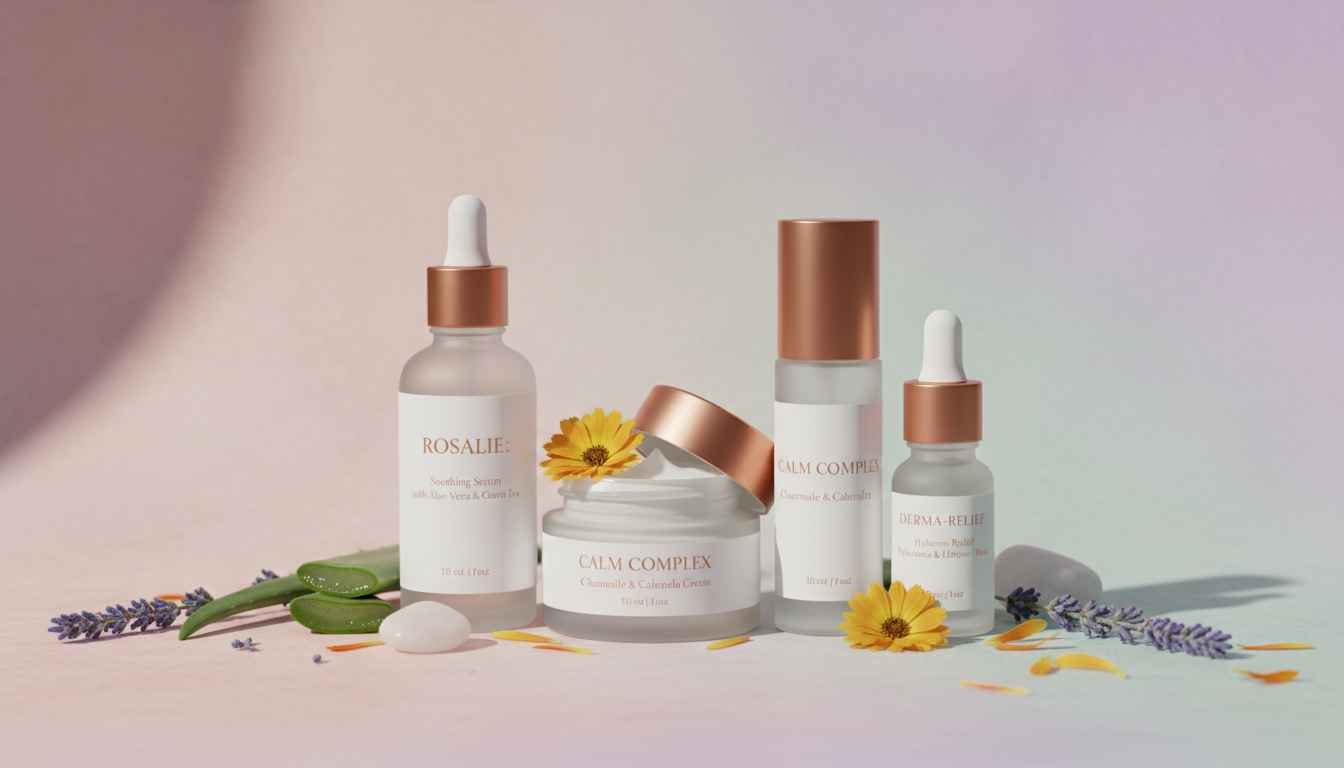
Scientific studies increasingly suggest that ingredients like niacinamide, green tea extract, aloe vera, chamomile, and centella asiatica can play a significant role in managing rosacea. Niacinamide, for example, has been shown to improve the skin barrier, reduce transepidermal water loss, and calm inflammatory responses. Meanwhile, polyphenols in green tea act as antioxidants, mitigating oxidative stress that can exacerbate redness.
When I first explored this approach, I turned to MECCA Australia for guidance. Their curated natural skincare range offers products formulated with sensitive skin in mind, balancing effectiveness with gentle, scientifically supported ingredients.
History of Natural Approaches to Rosacea
Natural remedies for rosacea aren’t new. Ancient civilizations often used plant extracts and mineral-rich clays to reduce inflammation and soothe the skin. In traditional Chinese medicine, for instance, herbs like honeysuckle and licorice were employed for their cooling and anti-inflammatory effects. Similarly, European herbalism emphasized chamomile and calendula for redness and irritation.
Modern science has since validated many of these practices. Studies from the early 2000s onwards consistently highlight the anti-inflammatory and barrier-supporting properties of these botanical ingredients. Today, dermatologists increasingly recommend integrating natural skincare into a holistic rosacea management plan, combining medical treatments with lifestyle adjustments and gentle, scientifically backed products.
Evidence-Based Ingredients in Rosacea Natural Skincare
1. **Aloe Vera** – A randomized study found that topical aloe vera reduced erythema and improved skin hydration in rosacea patients after four weeks. Its anti-inflammatory and wound-healing properties make it ideal for sensitive skin prone to flare-ups.
2. **Niacinamide** – Also known as vitamin B3, niacinamide strengthens the skin’s barrier and reduces inflammatory markers. Clinical trials show significant reductions in redness and visible blood vessels with consistent topical use.
3. **Green Tea Extract** – Rich in epigallocatechin gallate (EGCG), green tea extract has both antioxidant and anti-inflammatory effects. Studies suggest it may lower reactive oxygen species in the skin, a key contributor to rosacea flare-ups.
4. **Chamomile and Centella Asiatica** – These botanicals are commonly found in natural serums and creams. Their bioactive compounds inhibit pro-inflammatory pathways, decrease redness, and support collagen synthesis, improving overall skin resilience.
Budget Breakdown
For those considering a natural approach, a budget-conscious allocation might look like this:
- High-quality cleanser: 30%
- Soothing serum (niacinamide or centella-based): 40%
- Moisturizer with anti-inflammatory ingredients: 20%
- Optional protective elements (mineral sunscreen, calming masks): 10%
This approach ensures you prioritize ingredients that have the greatest clinical support for reducing rosacea symptoms, while still maintaining a balanced skincare routine.
Potential Drawbacks
Despite their appeal, natural skincare products aren’t universally safe. Essential oils, citrus extracts, or high concentrations of botanical acids can sometimes trigger irritation or worsen redness. People with extremely sensitive skin, allergies, or severe rosacea should patch-test products and consult a dermatologist before fully switching to a natural regimen.
It’s also important to note that natural skincare is often complementary, not a replacement for medical treatment. Severe cases may still require prescription medications such as metronidazole, azelaic acid, or oral antibiotics. Integrating natural approaches should be done thoughtfully, monitoring skin response over time.
Integrating Science and Routine
The most successful rosacea management strategies combine scientifically supported ingredients, gentle application methods, and lifestyle awareness. Limiting triggers such as UV exposure, hot beverages, alcohol, and stress – combined with a carefully curated natural skincare routine – can significantly reduce flare-ups. Using non-comedogenic, fragrance-free formulations with validated anti-inflammatory compounds is key.
For anyone navigating rosacea, understanding your skin’s unique sensitivities is crucial. Tracking which ingredients calm or provoke your skin, while leaning on evidence-backed natural products, provides both efficacy and reassurance. The blend of ancient wisdom, modern clinical research, and accessible, well-formulated products like those available at MECCA Australia makes this approach not only practical but sustainable.
Ultimately, rosacea natural skincare isn’t a one-size-fits-all solution. Patience, experimentation, and reliance on scientifically validated ingredients form the backbone of an effective strategy. Those willing to commit to careful product selection and mindful lifestyle adjustments often see the most meaningful improvements over time.