




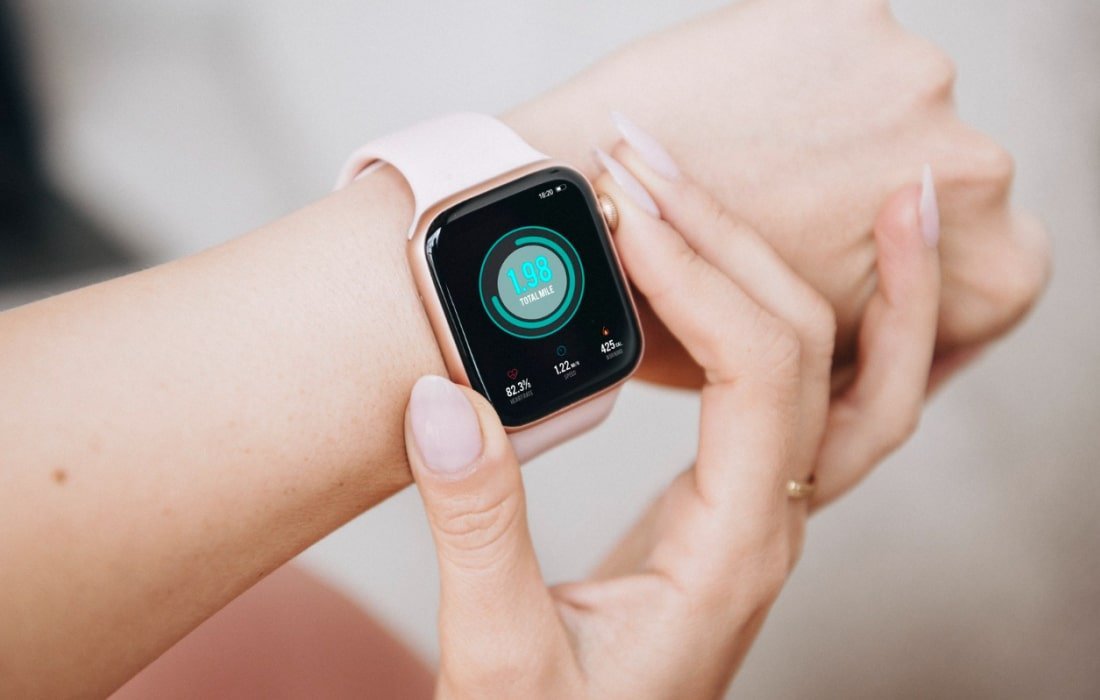
Smart devices have moved from being futuristic gadgets to becoming ordinary parts of everyday life. Smartphones, smartwatches, connected speakers, smart TVs, thermostats, security cameras, robot vacuums, and other connected products now help people communicate, work, manage homes, monitor activities, and automate routine tasks.
The impact goes beyond convenience. Smart devices are changing our lives by making technology more responsive and increasingly capable of understanding context, automating decisions, and connecting different parts of our daily routines.
At the same time, connected technology introduces important questions about privacy, security, screen time, reliability, and how much personal information people are willing to share for convenience.
What Are Smart Devices?
A smart device is an electronic product that can connect to a network, collect or exchange information, respond to commands, automate actions, or interact with other connected devices.
Smartphones are the most familiar example, but the category is much broader. Smart devices can include:
- Smartwatches and fitness trackers
- Smart speakers and voice assistants
- Smart TVs and streaming devices
- Smart thermostats
- Connected security cameras and doorbells
- Smart lighting systems
- Robot vacuums and connected appliances
- Smart locks and home sensors
- Connected cars and navigation systems
- AI-enabled wearable devices
The common feature is connectivity. Instead of operating completely on their own, these products can exchange information with apps, networks, cloud services, or other devices.
How Smart Devices Are Changing Everyday Life
1. They Make Routine Tasks More Convenient
One of the clearest benefits of smart technology is automation. A person can control lights from a phone, adjust a thermostat remotely, schedule a robot vacuum, or receive a notification when a connected doorbell detects activity.
These individual actions may seem small, but removing repetitive tasks can make daily routines more efficient.
2. Smart Homes Are Becoming More Connected
Smart home technology allows multiple devices to communicate through a common network. Lighting, heating, security equipment, entertainment systems, and household appliances can increasingly be managed through apps, voice commands, schedules, and automated routines.
For a deeper look at this development, explore the next generation of smart homes.
The goal is not simply to add more gadgets to a home. The more significant development is the ability to make different systems work together.
3. Wearables Put Technology Closer to the User
Smartwatches and other wearable devices have changed the way people interact with technology. Instead of reaching for a phone every time they need information, users can receive notifications, check messages, track activities, and access selected features directly from a wearable.
Wearables are also increasingly focused on health and fitness-related measurements. Current U.S. research from Pew Research Center found that about 37% of adults reported having a smartwatch in early 2026, demonstrating how established these devices have become in everyday life.
At the same time, newer wearable trends show interest in simpler devices that reduce screen interaction. The move toward screenless or minimalist wearables suggests that some users want useful data without being constantly surrounded by notifications.
4. Smart Devices Can Help People Manage Their Health and Fitness
Fitness trackers and smartwatches can record information such as activity levels, exercise sessions, heart-related measurements, sleep patterns, and other metrics depending on the device.
These tools can make personal data easier to see and may encourage users to pay more attention to everyday habits. However, device measurements are not a replacement for professional medical evaluation, and users should understand the limitations of consumer health technology.
The value of these devices often comes from helping users notice patterns rather than treating every measurement as a definitive medical conclusion.
5. Voice Assistants Are Changing How People Interact With Technology
Voice interfaces allow users to perform certain tasks without typing or navigating through menus. People can ask for information, play music, create reminders, control compatible smart-home products, or perform other supported tasks using spoken commands.
This hands-free interaction can be particularly useful when someone is cooking, driving, exercising, or performing another activity that makes traditional device interaction inconvenient.
6. Smart Devices Are Improving Home Security Options
Connected cameras, video doorbells, smart locks, motion sensors, and alarms have changed how homeowners monitor properties.
Instead of depending entirely on equipment that can only be accessed from inside the home, connected security systems can send alerts and provide remote access through compatible applications.
However, convenience must be balanced with cybersecurity. A device connected to the internet creates another potential point that needs to be protected.
7. Smart Technology Can Help Save Time
Time-saving automation is one of the strongest reasons people adopt connected devices. Scheduled lights, automated cleaning, digital reminders, navigation systems, and voice-controlled tools can reduce the number of small decisions people make throughout the day.
Individually, these improvements may seem minor. Collectively, they can change how people organize their routines.
How AI Is Making Smart Devices More Capable
Artificial intelligence is becoming an important layer of modern smart-device technology. Instead of simply responding to a fixed command, some devices can analyze information, recognize patterns, personalize responses, or provide more context-aware assistance.
This is particularly visible in smartphones, smartwatches, smart speakers, cameras, and connected home products.
Recent Pew Research Center research found that AI is already embedded in many consumer devices used by Americans. The survey reported that 35% of U.S. adults had an AI-enabled smart speaker, while smaller shares reported having AI-enabled smart doorbells, robot vacuums, or thermostats.
The direction is increasingly toward technology that works in the background rather than requiring users to manually operate every feature.
Smart Devices Are Becoming More Invisible
One interesting shift is that technology does not always need to become more noticeable to become more useful.
Traditional technology often required users to open an app, press a button, or look at a screen. Newer connected systems increasingly aim to automate actions in the background.
A thermostat can adjust settings according to programmed conditions. A wearable can collect information throughout the day. A security system can detect activity and send an alert. A smart appliance can respond to a schedule.
This trend toward more invisible technology could make digital systems feel less like separate gadgets and more like part of the environment around us.
How Smart Devices Are Changing Work
Connected devices are also affecting professional routines. Smartphones and wearable devices make communication more immediate, while cloud-connected systems allow information to move between locations and teams.
Workers can receive notifications, access documents, communicate with colleagues, manage schedules, and perform certain tasks without being tied to a single computer.
However, constant connectivity can create its own problem. When every message can reach a person immediately, the boundary between work and personal time can become less clear.
The most useful approach is therefore not maximum connectivity. It is intentional connectivity that helps people work efficiently without creating unnecessary interruptions.
How Smart Devices Affect Communication
Smartphones and connected devices have made communication faster and more accessible. Messages, video calls, social networks, email, and collaboration platforms can be accessed from almost anywhere with an internet connection.
This has made it easier for families, friends, colleagues, and communities to remain connected across different locations.
But speed does not always equal better communication. Constant notifications can interrupt conversations, work, study, and rest. Choosing when to disconnect can therefore be just as important as choosing which device to use.
Smart Devices and Energy Efficiency
Connected technology can also help households monitor and manage energy use. Smart thermostats, lighting systems, and connected appliances can provide greater control over when devices operate.
For example, automation can reduce unnecessary operation when a household does not need a particular device running. The actual savings depend on the equipment, settings, household behavior, utility rates, and other factors, so smart technology should not automatically be treated as a guarantee of lower energy bills.
How Smart Devices Affect Accessibility
Smart technology can create useful accessibility options. Voice commands, real-time information, hands-free controls, navigation assistance, visual recognition, and customizable interfaces can make certain tasks easier for people with different needs.
Emerging wearable technologies are particularly interesting because they can provide information without requiring a person to constantly interact with a traditional screen.
However, accessibility depends on thoughtful design. A device is not genuinely useful if its interface, setup process, or connectivity requirements create unnecessary barriers.
The Privacy Challenges of Smart Devices
The convenience of connected devices comes with a major consideration: data.
Smart products may collect information about locations, routines, preferences, device usage, health-related activity, household behavior, or interactions. The exact information varies by product and service.
The UK’s Information Commissioner’s Office emphasized in 2026 that connected devices can process highly sensitive information about people’s health, daily routines, and family life. Its guidance calls for privacy to be considered from the beginning of product design, transparent explanations of data use, meaningful consent, and user control.
These principles are increasingly important as smart devices become more capable and more deeply integrated into everyday environments.
Smart Device Security Risks
Every connected device adds another component to a digital ecosystem. Weak passwords, outdated software, poor security settings, or compromised accounts can create risks.
Users can reduce some common risks by:
- Using strong, unique passwords
- Enabling multi-factor authentication where available
- Installing software and firmware updates
- Reviewing privacy permissions
- Disabling features they do not need
- Using secure home Wi-Fi
- Checking what information a device collects
- Removing old devices from accounts when they are no longer used
Security should be considered before purchasing a connected product rather than only after something goes wrong.
The Problem of Too Many Notifications
Smart technology is designed to keep users informed, but constant information can become distracting.
Messages, reminders, alerts, health measurements, news updates, app notifications, and smart-home warnings can compete for attention throughout the day.
This is one reason minimalist wearable technology is gaining interest. Some users are looking for devices that provide useful information without creating another screen that demands attention.
A smarter digital routine may therefore involve fewer notifications, not more.
Are Smart Devices Making Life Better?
The answer depends largely on how they are used.
A smart device can save time, improve accessibility, simplify communication, support household routines, or provide useful information. But the same device can become distracting, expensive, invasive, or difficult to manage if its features are poorly configured.
The important question is not whether every household should own the newest smart device. It is whether a particular device solves a real problem better than a simpler alternative.
What the Future of Smart Devices May Look Like
The next stage of smart-device development is likely to focus on greater integration, AI-assisted features, improved personalization, and more natural interaction.
More AI-Powered Assistance
AI is likely to make devices better at interpreting requests and adapting to context. Instead of requiring precise commands, users may increasingly interact with devices conversationally.
More On-Device Processing
Privacy concerns may encourage more processing to happen directly on devices instead of sending every piece of information to remote servers. Local processing can potentially reduce unnecessary data transmission, although the privacy and security characteristics depend on the implementation.
More Connected Ecosystems
Consumers increasingly expect phones, watches, vehicles, home devices, and other products to work together. Better interoperability could make connected ecosystems easier to manage.
Smaller and Less Distracting Wearables
Wearable technology may become less dependent on large screens. Smart rings, screenless trackers, audio devices, and other compact products demonstrate a broader interest in technology that remains useful without demanding constant visual attention.
How to Choose Smart Devices Wisely
Buying smart technology should begin with a problem rather than a feature list.
- Identify the need: Decide what problem the device is supposed to solve.
- Check compatibility: Make sure it works with your existing phone, network, and other devices.
- Review privacy policies: Understand what information the product collects and how it is used.
- Consider security: Look for regular software updates and account-security features.
- Compare total cost: Include subscriptions, accessories, replacement parts, and energy use where relevant.
- Think about longevity: A device that receives reliable updates for years may be more useful than a cheaper product with limited support.
- Consider simplicity: More features do not automatically mean a better experience.
The Balance Between Convenience and Control
The most important lesson from the growth of smart devices is that convenience should not eliminate user control.
People should know when a device is collecting information, understand what it does with that information, and have practical options for changing settings or disabling features.
Smart technology works best when automation serves the user rather than forcing the user to adapt to unnecessary complexity.
Final Thoughts
How smart devices are changing our lives is ultimately a story about the growing relationship between people and connected technology. Smart homes are becoming more automated, wearables are bringing technology closer to the body, AI is making devices more responsive, and connected services are changing how people communicate and manage daily routines.
But progress should not be measured only by how many devices we own. The more useful measure is whether technology makes life easier while preserving privacy, security, attention, accessibility, and personal control.
The future of smart devices is likely to be less about adding technology everywhere and more about making technology useful enough to work naturally in the background.