




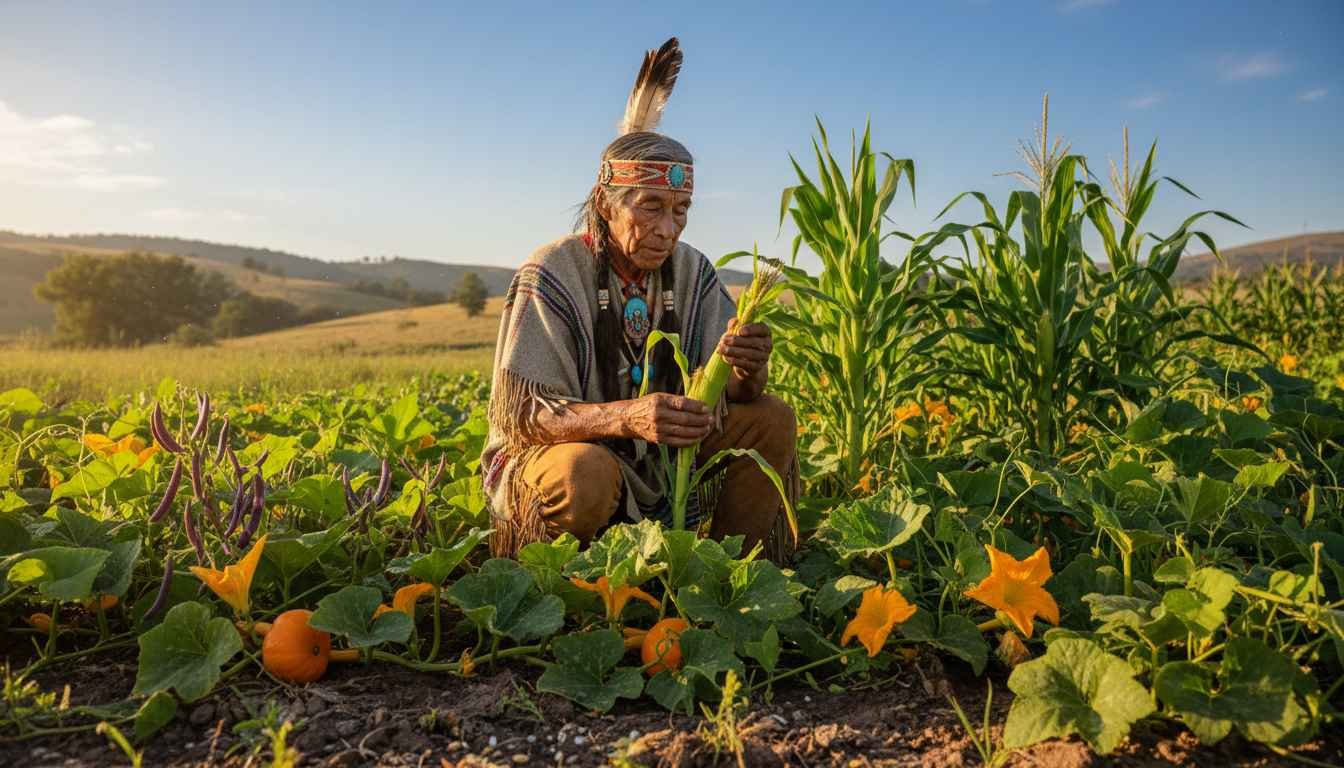
The devil is in the details. When it comes to farming, the methods passed down through generations often hold secrets that modern systems overlook. Native American agriculture techniques, developed over centuries, embody wisdom, sustainability, and efficiency – traits that modern poultry farmers should embrace. But it’s not just about copying these ancient methods; it’s about understanding the principles behind them and applying them wisely to today’s rapidly changing agricultural landscape.
For farmers looking to enhance sustainability and productivity, a deep dive into Native American agricultural practices may just reveal the shortcuts and solutions you’ve been searching for. While contemporary farming has given us tools and technologies to streamline production, there’s no substitute for the time-tested strategies that honor the land. These indigenous techniques not only respect the environment but can also enhance your poultry farm’s productivity if applied thoughtfully.
Before we get into how you can implement these methods, let’s take a closer look at some key practices and how they might fit into the modern poultry industry. Spoiler: it’s not all about planting corn in the ground, though that’s certainly part of the picture!
The Poultry Site is dedicated to helping farmers across the globe, and in the next few paragraphs, we will break down these techniques and how they can make a real difference for you.
1. Companion Planting: An Organic Pest Control System
Native Americans were early pioneers of companion planting – a system where plants are grown together to benefit one another. In traditional agriculture, certain plants were cultivated alongside others to deter pests, improve soil quality, or encourage healthier crops. For example, the Three Sisters method, involving corn, beans, and squash, created a sustainable growing environment, with each plant offering mutual benefits to the others.
For poultry farmers, companion planting can play a vital role in reducing the need for chemical pesticides. Growing certain herbs and plants around your chicken coops can naturally repel pests like mosquitoes and flies, which are not only a nuisance but also potential disease carriers. Plants such as mint, marigolds, and basil can be strategically placed around your farm, enhancing your poultry’s environment while reducing reliance on synthetic chemicals.
How to Apply This on Your Poultry Farm:
- Plant herbs like mint or lavender around your coop and free-range areas to repel insects naturally.
- Grow marigolds in chicken run areas to keep pests at bay and beautify the environment.
- Use squash or pumpkin near your garden areas for pest control and soil improvement.
2. Crop Rotation and Soil Fertility: A Key to Sustainable Land Use
Native Americans understood the importance of rotating crops to prevent soil depletion. By alternating the types of crops planted each season, the soil could regenerate its nutrients. This practice not only preserved the soil’s fertility but also ensured that crops wouldn’t exhaust the land, making it productive year after year.
For modern poultry farmers, this concept is vital when it comes to managing pasture health. The continuous grazing of poultry on the same plots of land can lead to soil erosion and nutrient depletion. However, applying crop rotation principles by rotating grazing areas and planting nutrient-restoring crops in between can help restore the soil’s health and maintain its productivity over the long term.
How to Apply This on Your Poultry Farm:
- Divide your free-range areas into sections and rotate your chickens regularly to prevent overgrazing.
- Plant cover crops such as clover or legumes in areas where chickens are not grazing to restore soil nutrients.
- Alternate between crops and pasture to maintain soil health and reduce the need for artificial fertilizers.
3. Water Conservation: Traditional Methods to Maximize Efficiency
In many Native American communities, water conservation was a top priority. They employed ingenious methods such as creating terraces and using mulch to retain moisture in the soil. These techniques allowed them to farm in regions with harsh climates or inconsistent rainfall.
For poultry farmers, conserving water is not only good for the environment but also for the wallet. With poultry operations often requiring significant water resources, reducing water waste is crucial. Using Native American water conservation techniques can help create a more sustainable and cost-effective system for your farm.
How to Apply This on Your Poultry Farm:
- Install rainwater harvesting systems to collect and store water for your poultry and crops.
- Use mulch in your poultry pens and garden areas to prevent evaporation and retain soil moisture.
- Construct swales and terraces in areas with heavy runoff to capture and redirect water where it’s needed.
4. Livestock Integration: A Holistic Approach to Agriculture
Many Native American tribes practiced a form of integrated farming, where animals and crops were not seen as separate entities but as part of a cohesive system. Livestock were raised alongside crops, and their waste provided vital nutrients to the soil. The chickens, for example, helped control insect populations, and their manure could be used as fertilizer for plants. This symbiotic relationship was central to their agricultural success.
In the modern poultry industry, integrating livestock and poultry can lead to better resource utilization. By incorporating chickens into crop rotation and using their manure as a natural fertilizer, you can reduce costs and improve the sustainability of your farm.
How to Apply This on Your Poultry Farm:
- Utilize chicken manure to fertilize gardens or crops on your farm.
- Allow chickens to graze on pasture areas that are being prepared for planting, helping to reduce pests and fertilize the soil.
- Rotate livestock and poultry through fields to ensure that the land remains healthy and productive.
Pros & Cons
Pros:
- ✔ Increases sustainability and reduces reliance on chemicals.
- ✔ Improves soil health and reduces erosion.
- ✔ Lowers water usage and waste through conservation methods.
- ✔ Creates a holistic, efficient farm ecosystem.
Cons:
- ❌ Requires time and effort to implement traditional practices.
- ❌ May take time to see noticeable improvements in soil and crop productivity.
- ❌ Limited knowledge and understanding of these techniques can result in misapplication.
Who Should Avoid This?
While Native American agriculture techniques are incredibly effective in creating a sustainable, eco-friendly farm, they may not be suited for every operation. Farms that rely heavily on industrial-scale practices or those looking for immediate high-yield results may find it difficult to incorporate these methods without a significant overhaul of their system. Additionally, farmers in regions with vastly different climates or limited resources might struggle to fully implement these practices without adjustments. It’s crucial to understand that these techniques require dedication and long-term commitment to see the full benefits.
However, for those willing to adopt a more sustainable, slower-paced farming model, these methods offer profound benefits that can improve the health of your farm and the surrounding environment.