




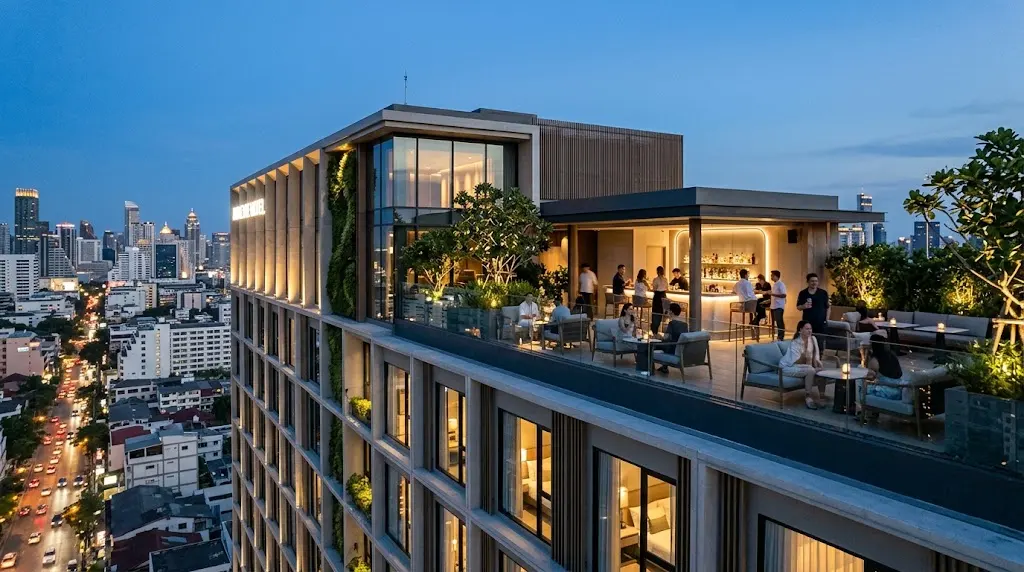
The phrase lifestyle hotel takeover 2024 can sound like the name of a specific luxury hotel event, but the major development behind the term was actually part of a broader transformation in the hospitality industry. In 2024, major hotel companies continued expanding their lifestyle portfolios, while Hyatt completed its acquisition of Standard International and its collection of well-known lifestyle hospitality brands.
For travelers, the development matters because lifestyle hotels increasingly combine accommodation with design, restaurants, nightlife, local culture, wellness, and social experiences. Rather than treating a hotel as simply a place to sleep, these properties are designed to become part of the destination itself.
Hyatt announced its planned acquisition of Standard International in August 2024 and completed the transaction on October 1, 2024. The deal brought The Standard, Bunkhouse Hotels, and related brands into Hyatt’s growing lifestyle business. Hyatt’s acquisition announcement provides the official details.
What Was the Lifestyle Hotel Takeover in 2024?
There was not one universally recognized hospitality event officially named the “Lifestyle Hotel Takeover 2024.” Instead, the phrase is better understood as a description of the rapid expansion and consolidation taking place within lifestyle hospitality.
One of the most significant transactions was Hyatt’s acquisition of Standard International. Standard International was the parent company behind The Standard and Bunkhouse Hotels, while also having interests in additional hospitality concepts and restaurants.
The acquisition was significant because The Standard had already established properties in destinations including New York, Miami, London, the Maldives, Ibiza, Bangkok, and Melbourne. Hyatt’s announcement described the transaction as part of its strategy to strengthen its position in lifestyle hospitality.
For travelers researching luxury escapes, this development is useful context when comparing hotels, brands, destinations, and the types of experiences available at modern lifestyle properties.
Why Lifestyle Hotels Became So Important
Lifestyle hotels sit between several traditional hospitality categories. They can provide upscale accommodation while placing strong emphasis on design, food and beverage, entertainment, wellness, art, and local culture.
Hyatt explained in 2024 that lifestyle hotels were increasingly focused on experiences involving food, beverages, art, music, and programming. The company’s global lifestyle room count had also grown substantially compared with 2017.
This shift reflects a broader change in how many travelers evaluate accommodation. A hotel can now be part of the reason for choosing a destination rather than merely the place where a traveler stays after exploring it.
If you are planning a broader vacation, these travel bucket list ideas can also help you think about destinations in terms of experiences rather than simply hotel rooms.
The Standard: A Major Part of the 2024 Development
The Standard became one of the most recognizable lifestyle hospitality brands associated with the transaction. Its properties have historically emphasized distinctive design, restaurants, nightlife, cultural programming, and locations in major urban and resort destinations.
That approach is different from a conventional standardized hotel experience. Instead of making every property feel identical, lifestyle brands often attempt to give each location a strong identity connected to its surroundings.
This makes design an important part of the guest experience. Travelers interested in architecture, interiors, photography, and visual culture may find lifestyle hotels particularly appealing. For additional visual inspiration, see these fashion photography tips and our guide to product and lifestyle photography.
Bunkhouse Hotels and Local Identity
Bunkhouse Hotels represented another important component of Standard International’s portfolio. The brand is known for independent-style properties that emphasize local character and distinctive design.
This approach illustrates one of the defining characteristics of lifestyle hospitality: the hotel does not necessarily try to separate itself from the destination. Instead, its restaurants, interiors, public spaces, and programming can become part of the surrounding neighborhood and culture.
That concept is particularly relevant for travelers who prefer accommodation with a sense of place. A hotel in New York, Paris, Miami, or another major destination can provide a different experience when its identity reflects the local environment.
For destination inspiration, you can also explore new places to visit in New York City or discover ideas through our guide to places to visit in Madrid in one day.
What Makes a Modern Lifestyle Hotel Different?
A lifestyle hotel typically places more emphasis on the complete guest experience than on room amenities alone. The exact offering varies by property, but several elements appear frequently.
- Distinctive interior design: Architecture, furniture, artwork, lighting, and public spaces often receive significant attention.
- Food and beverage: Restaurants, bars, cafes, and lounges can be major parts of the hotel’s identity.
- Local culture: Properties may incorporate local artists, designers, food, music, and community experiences.
- Social spaces: Lobbies and public areas are often designed to encourage interaction rather than simply function as waiting areas.
- Wellness: Fitness facilities, spas, pools, classes, and other wellness services may complement the stay.
- Technology: Mobile services, smart-room features, digital check-in, and connected amenities can improve convenience.
Technology is becoming particularly relevant as hotels modernize their guest experiences. Our guide to how smart devices are changing our lives explores the wider role connected technology plays in everyday environments.
Luxury Does Not Always Mean Traditional
One important lesson from the growth of lifestyle hospitality is that luxury does not have to follow a traditional formula.
Traditional luxury hotels may emphasize formal service, classic interiors, large rooms, extensive amenities, and established hospitality rituals. Lifestyle properties can take a different approach by focusing on individuality, atmosphere, design, entertainment, and cultural relevance.
That does not mean every lifestyle hotel provides the same level of service or amenities. Travelers should evaluate individual properties rather than assuming that the lifestyle label guarantees a particular standard.
The same principle applies when exploring personal style. Our guide to finding your personal style offers a useful perspective on why individuality can matter when choosing clothing, environments, and experiences.
Wellness Is Becoming Part of the Hotel Experience
Wellness has also become an important part of modern travel. Depending on the property, guests may find gyms, spas, pools, yoga classes, healthy dining, outdoor activities, or spaces designed for relaxation.
However, travelers should check the actual facilities offered by a specific hotel rather than assuming that every lifestyle property provides the same wellness services.
For broader wellness inspiration, explore practical ways to nurture mental and physical health, ideas for recharging your body and mind, and our guide to an active and wellness-focused lifestyle.
How Technology Is Changing Hotel Stays
The modern hotel experience increasingly overlaps with smart-home technology. Guests may encounter mobile room controls, digital keys, connected entertainment systems, automated lighting, smart thermostats, and app-based services.
These technologies can make a stay more convenient, but they also introduce considerations around privacy, security, connectivity, and personal preferences.
Travelers should therefore look beyond marketing language and determine which features are genuinely useful for their trip. More technology does not automatically create a better experience.
For a broader look at connected living, read about the next generation of smart homes.
Dining and Entertainment Are Part of the Experience
Another defining feature of lifestyle hospitality is the importance of dining and entertainment. Restaurants and bars can become destinations in their own right, while rooftops, lounges, music venues, and cultural events can attract both hotel guests and local visitors.
This creates a more integrated experience. Instead of leaving the property whenever they want something to eat or do, travelers may find several options within the hotel itself.
That model also connects hospitality with fashion, culture, photography, music, and social life. Travelers interested in contemporary visual culture may enjoy reading about the evolution of streetwear and current fashion trends.
How to Evaluate a Lifestyle Hotel Before Booking
The word “lifestyle” should not be the only factor influencing a booking decision. Before choosing a hotel, consider the practical details that directly affect your trip.
- Location: Check how close the property is to the attractions and neighborhoods you plan to visit.
- Room type: Review room size, bed configuration, views, and included amenities.
- Dining: Check restaurants, breakfast options, opening hours, and reservation requirements.
- Facilities: Verify whether the pool, gym, spa, rooftop, or other facilities you want are actually available.
- Atmosphere: Consider whether you prefer a quiet environment or a property with active nightlife and social spaces.
- Fees: Review the total price, including taxes, resort fees, parking, and other additional charges where applicable.
- Reviews: Read recent guest feedback for practical information about noise, service, cleanliness, and room conditions.
If you’re looking for hotel inspiration beyond major lifestyle brands, RenewWire also features destinations such as The Concordia Hotel in Washington, Hotel du Quai Voltaire in Paris, and the Hico, Texas hotel experience.
The 2024 Acquisition Was Bigger Than One Hotel
The significance of Hyatt’s 2024 transaction was not simply the addition of individual properties. It reflected a larger hospitality strategy in which major hotel companies were expanding lifestyle portfolios to reach travelers looking for more distinctive experiences.
Hyatt’s 2024 reporting showed that its lifestyle rooms had increased dramatically since 2017. The company also announced plans for a dedicated lifestyle group associated with Standard International after the acquisition.
By the end of 2024, Hyatt had also established a broader portfolio structure that separated lifestyle, luxury, inclusive, classics, and essentials into more focused categories. This demonstrates how important differentiated hotel experiences had become to the company’s overall strategy.
What the Lifestyle Hotel Trend Means for Travelers
For travelers, the most useful takeaway is that hotel selection is becoming more experience-driven. A property can influence how a destination feels, where you spend your evenings, what you eat, and how you interact with the local area.
But travelers should still compare properties based on their individual needs. A stylish hotel with nightlife may be perfect for one trip but unsuitable for someone looking for a quiet family stay. A wellness-focused resort may appeal to one traveler while another may prioritize location or access to cultural attractions.
If you’re planning a trip around experiences rather than simply accommodation, our travel bucket list guide can help you organize destinations around activities and memorable experiences.
Final Thoughts on the Lifestyle Hotel Takeover 2024
The Lifestyle Hotel Takeover 2024 is best understood as a period of major expansion and consolidation in lifestyle hospitality rather than a single luxury hotel event. Hyatt’s acquisition of Standard International was one of the clearest examples, bringing The Standard, Bunkhouse Hotels, and related lifestyle concepts into a larger global hospitality organization.
The development also highlighted a broader shift in the hotel industry. Design, food, culture, wellness, entertainment, technology, and local identity are increasingly connected to the accommodation experience.
For travelers, that creates more choices—but it also makes comparison more important. Instead of choosing a property simply because it is described as luxurious or lifestyle-focused, look at the actual location, facilities, atmosphere, services, pricing, and recent guest feedback.
Ultimately, the most valuable hotel experience is the one that fits the purpose of your trip. Whether you want culture, relaxation, nightlife, wellness, design, or simply a comfortable base for exploring a destination, today’s lifestyle hospitality market offers a growing range of ways to shape that experience.