




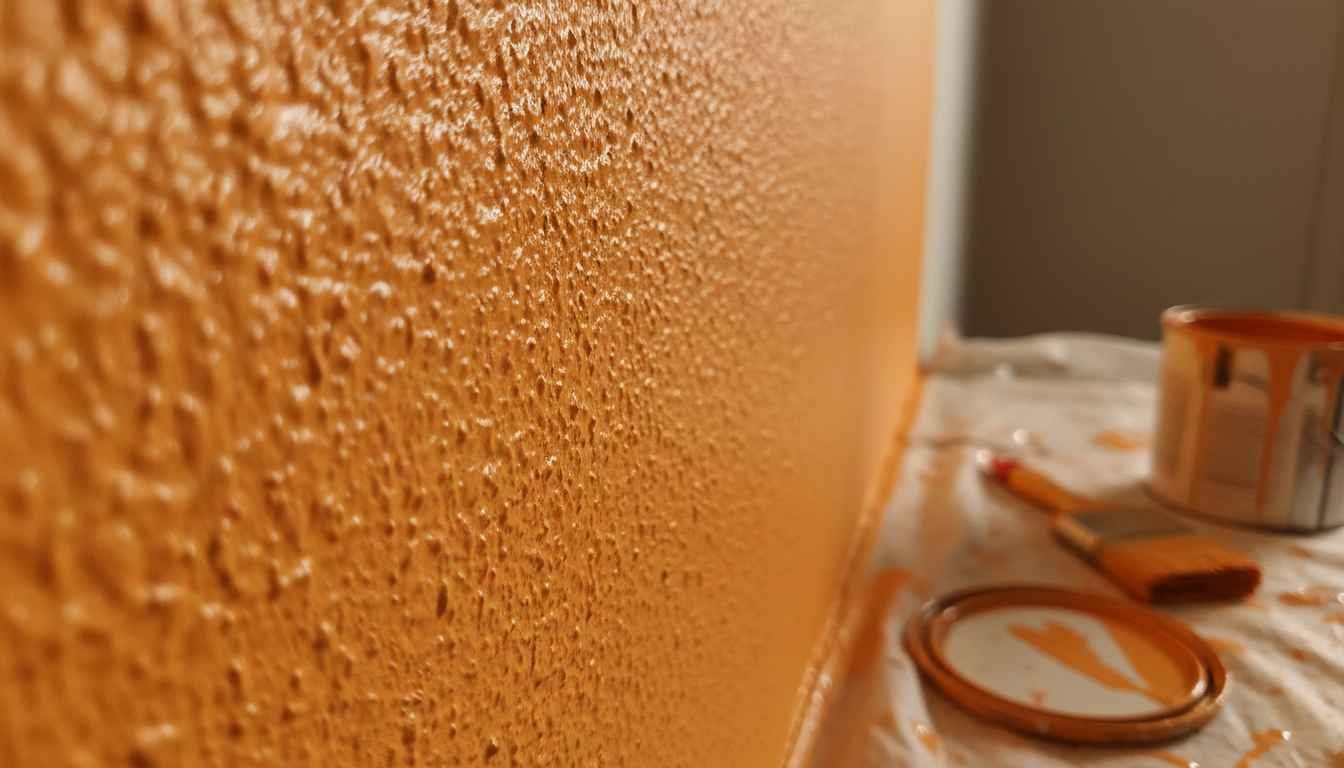
You step back from a freshly painted wall or panel expecting a smooth, even finish — and instead the surface is covered in tiny dimples, like the skin of an orange. The colour may be right, but the texture is wrong, and it catches the light in all the wrong places. Orange peel is one of the most common painting frustrations, and it is almost always a sign that something in the application, the paint, or the environment was slightly off.
The good news is that it is fixable, and preventable. Here is what causes it, how to correct it, and how to avoid it on your next coat.
What Orange Peel Actually Is
Orange peel happens when paint does not level out into a smooth film before it dries. Instead of flowing together, the sprayed droplets or brush marks set in place, leaving a dimpled texture. It is a drying and application problem, not a problem with the colour itself — which is why the same paint can look perfect in one room and dimpled in another.
It can appear with sprayed paint, and in milder form with rollers and brushes, whenever the paint is too thick, dries too fast, or is applied unevenly.
The Main Causes
Paint that is too thick or the wrong viscosity
Paint that has not been thinned to the manufacturer’s recommended viscosity (for spraying) will not atomise properly. Large droplets land on the surface and cannot flow together before drying. Always follow the product’s guidance for your application method — and remember that “a little thicker for better coverage” usually backfires.
Spray settings and technique
Spraying from too far away lets droplets partly dry before they land. Spraying too close, moving too slowly, or using the wrong tip size or air pressure lays the paint on too heavily in some spots and too thinly in others. Steady distance, steady speed, and overlapping passes matter more than speed.
Temperature, humidity, and airflow
Painting in heat, in a draughty room, or in high humidity changes how paint dries. Fast drying — from heat or a strong draught — stops the paint levelling. Very humid or cold conditions can also interfere with drying and adhesion. Aim for the temperature and humidity range on the product label, and avoid painting in direct sun on a hot surface.
Poor surface preparation
Dust, grease, an uneven previous coat, or a surface that was not properly primed can all show through as texture. Paint levels best on a clean, smooth, properly prepared surface. Sanding between coats, where the product recommends it, is not optional fuss — it is what gives the next coat something smooth to grip.
Coats applied too heavily
One thick coat is more likely to dimple, sag, or trap solvent than two thin, even coats. Thin coats level better, dry more evenly, and are easier to correct. Allow each coat the drying or flash-off time the label specifies before recoating.
How to Fix Orange Peel Once It Has Dried
First, let the paint cure fully — sanding soft paint makes the problem worse. Then, for a mild case, sand lightly with fine-grit abrasive, working evenly and checking your progress often, then wipe away dust and apply a thin, properly thinned recoat under good conditions. For a severe case, you may need to sand back further and rebuild with thin coats, or in the worst cases strip and start again on a properly prepared surface.
Always test your fix on a small, inconspicuous area first. If the surface is a high-value item, a vehicle panel, or a large area, getting a professional painter’s assessment is worth it before you sand aggressively — it is easy to sand through a coat and create a bigger repair.
Preventing Orange Peel Next Time
- Prepare the surface: clean it thoroughly, sand smooth, remove dust, and prime where needed.
- Check the paint: stir gently to avoid air bubbles, and thin only as the manufacturer directs for your method.
- Test first: spray or roll a test panel in the same conditions and check the finish before committing to the whole surface.
- Control the environment: avoid draughts, direct sun on the surface, and extremes of temperature and humidity.
- Apply thin, even coats: keep a steady distance and speed with a sprayer, overlap passes evenly, and let each coat dry as directed.
- Use the right equipment: the correct tip, nozzle, and pressure for the paint you are using — check the product guidance rather than guessing.
These habits sit within good home upkeep generally: a complete guide to home improvement and care covers how surface preparation and routine maintenance prevent the small defects that become large rework.
FAQ: Orange Peel in Paint
Can you sand out orange peel?
Mild orange peel can usually be improved by light, even sanding once the paint has cured, followed by a thin recoat. Severe texture may need heavier sanding or a fresh start on a prepared surface.
Does adding thinner always help?
No. Thinner helps only when the paint is too thick for the application method and only within the manufacturer’s recommended ratio. Too much thinner causes runs, sags, and poor coverage.
Is orange peel only a spray-painting problem?
It is most obvious with spraying, but rollers and brushes can leave a similar dimpled texture if the paint is too thick, the coat is too heavy, or conditions cause it to dry before levelling.
Final Thoughts
Orange peel is rarely a mystery once you know what to look for: paint, technique, or environment — usually a combination of the three. Fix it patiently with light sanding and a thin recoat, and prevent it by preparing well, testing first, and painting thin, even coats in good conditions. The smooth finish you imagined is not luck. It is the result of giving the paint time and conditions to level properly.