




Picture yourself drifting past limestone cliffs on a misty bay in the morning, then watching the sun rise over the largest religious monument on earth a few days later. That is the promise of a combined Vietnam and Cambodia trip: two countries, one journey, and a mix of ancient temples, buzzing cities, and landscapes that look unreal in photographs. This guide covers the places that actually deserve your days, and how to fit them together.
Hanoi and Northern Vietnam
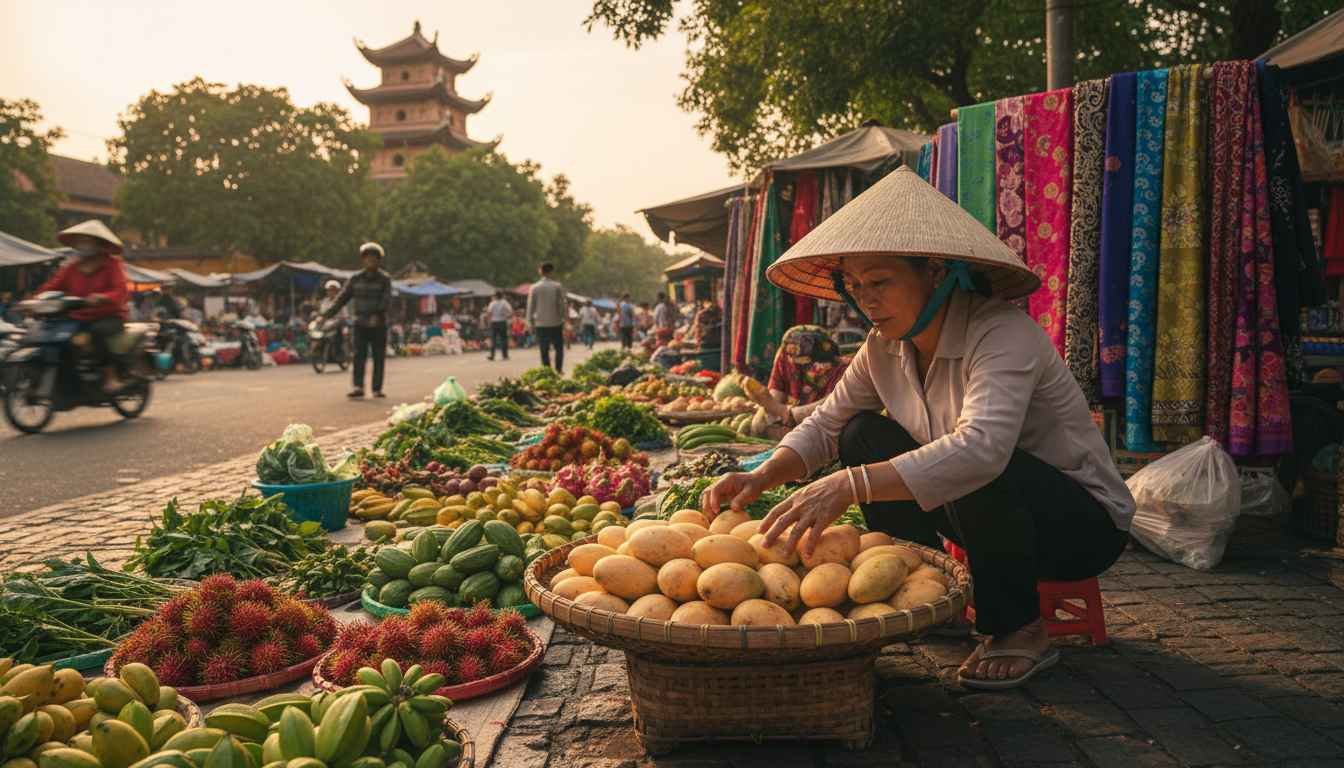
Start in Hanoi, where the Old Quarter is a maze of narrow streets, each once dedicated to a single trade. Mornings here belong to street food: pho from a plastic-stool stall, egg coffee in a hidden cafe, and the slow theatre of daily life around Hoan Kiem Lake. Give the city two days, including the Temple of Literature and the French Quarter’s wide boulevards.
From Hanoi, Ha Long Bay is the essential side trip. The bay’s emerald water and towering limestone islands are best seen on an overnight cruise, which gives you time for kayaking, cave visits, and sunset on deck without the rush of a day trip. Back on land, Sapa in the far north offers terraced rice fields and walks through hill-tribe villages. The scenery is at its greenest after the summer rains, but the trails are driest from October to April.
Central Vietnam: Hoi An, Hue, and the Caves
Fly or take the train south to central Vietnam. Hoi An’s lantern-lit old town is made for slow evenings: tailor shops, riverside cafes, and a food scene built around cao lau noodles and white rose dumplings. Nearby, the beaches of An Bang offer a quieter afternoon when the old town gets crowded.
Hue, the former imperial capital, holds the citadel, royal tombs, and pagodas along the Perfume River. Further north, Phong Nha-Ke Bang National Park is home to vast cave systems, including Son Doong, the largest cave in the world. You can explore smaller caves and jungle treks on a day trip even if a full Son Doong expedition is not on your plans.
Ho Chi Minh City and the Mekong Delta
In the south, Ho Chi Minh City shows a different Vietnam: French colonial architecture beside glass towers, the War Remnants Museum, and Ben Thanh Market. From here, the Cu Chi Tunnels make a sobering half-day trip, and the Mekong Delta offers floating markets and boat rides through palm-lined canals. If you want beach time before crossing into Cambodia, Phu Quoc Island has white sand and clear water, with a calmer pace than the mainland resorts.
Angkor Wat and Siem Reap, Cambodia
Cross into Cambodia and base yourself in Siem Reap. Angkor Wat at sunrise is every bit as moving as the photographs suggest, but the complex rewards more than one day: Angkor Thom’s Bayon temple, with its giant stone faces, and Ta Prohm, where tree roots grip crumbling walls, are just as memorable. A three-day temple pass is the right call if you want to see the major sites without rushing. If you are planning the Cambodian half of the trip in detail, our guide to the best places to visit in Cambodia covers the country’s highlights beyond the temples.
Phnom Penh: History Worth Facing
Phnom Penh, the Cambodian capital, is worth two days. The Royal Palace and Silver Pagoda show the country’s regal side, while the Tuol Sleng Genocide Museum and the Killing Fields at Choeung Ek tell the story of the Khmer Rouge era. These are difficult visits, and they should be: they give the temples and the countryside a context that makes the whole trip deeper. Balance them with an evening along the riverside promenade, where the city feels young and full of energy.
How to Plan a Combined Vietnam and Cambodia Trip
Ten to fourteen days covers the highlights of both countries without constant packing. The best window is November to February, when the weather is cooler and drier across both countries, though the south stays warm year-round. Fly between the main hubs rather than spending days on buses: Hanoi to Da Nang, Ho Chi Minh City to Siem Reap, and Siem Reap to Phnom Penh are all short hops. Check current visa rules before you travel, as e-visa and visa-on-arrival options change, and carry small cash for rural areas and temples where cards are not accepted.
FAQ
How many days do you need for Vietnam and Cambodia? Ten to fourteen days covers Hanoi, Ha Long Bay, Hoi An, Ho Chi Minh City, Angkor Wat, and Phnom Penh at a comfortable pace. A week works if you stick to one country or just the highlights of each.
What is the best time to visit Vietnam and Cambodia? November to February is the coolest and driest period for most of both countries. The south of Vietnam stays warm all year, while the north can feel chilly in December and January.
Is Vietnam and Cambodia suitable for families? Yes. Children enjoy the boat trips, beaches, and temple exploring, though the heat and long travel days mean you should build in rest days and keep temple visits short for younger kids.
Final Thoughts
Vietnam and Cambodia work beautifully as one trip because they complement each other: Vietnam brings the energy, the food, and the landscapes, while Cambodia brings the temples and a history that stays with you. Plan around the dry season, give Angkor more than a day, and leave room in the schedule for the unplanned mornings in old towns and riverside cafes. Those are the moments you will remember longest.